Evaluation of Fibroblast Growth Factor Binding Protein 3 Level in Male Hyperthyroidism Iraqi Patients with and without Diabetes Mellitus
DOI:
https://doi.org/10.23851/mjs.v36i3.1718Keywords:
Fibroblast growth factor binding protein 3, Diabetes mellitus, Hyperthyroidism, Thyroid hormones, DyslipidemiaAbstract
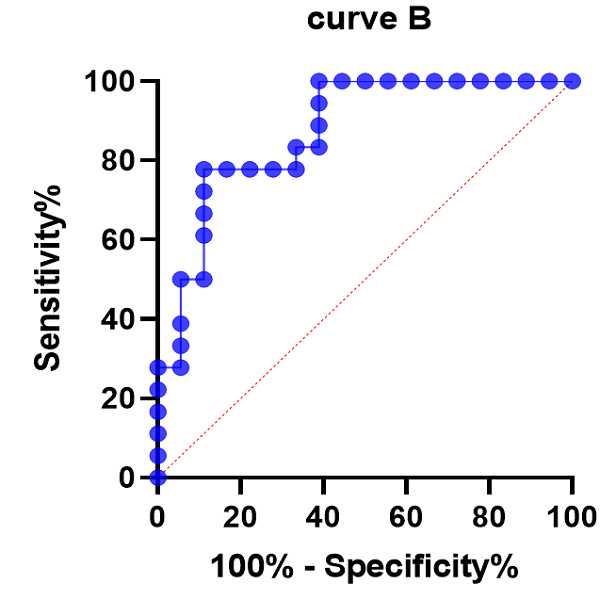
Background: FGFBP-3 plays a role in metabolic syndrome in mice by regulating fat and glucose metabolism. The FGFBP3 protein is secreted by adipose tissue and also functions in the central nervous system, similar to thyroid hormone. Thyroid dysfunction is the second most common endocrine disorder after diabetes mellitus (DM). Objective: This study evaluates FGFBP-3 levels in patients with hyperthyroidism, both with and without DM. Methods: The study included 90 participants divided into three groups: 30 patients with hyperthyroidism and DM, 30 patients with hyperthyroidism without DM, and 30 healthy individuals as controls. Thyroid hormones (TSH, total T3, and total T4) were measured using the Minividas device. FGFBP-3 levels were estimated by the enzyme-linked immunosorbent assay (ELISA) sandwich method. Additionally, lipid profile parameters (total cholesterol, triglycerides, HDL, LDL, and VLDL) were determined using enzymatic colorimetric methods. Results: The study found that TSH and HDL levels were significantly lower in both hyperthyroidism groups compared to controls. Conversely, FGFBP3, HbA1c, free T4, free T3, total cholesterol, triglycerides, LDL, and VLDL levels were significantly elevated in both hyperthyroidism groups relative to the healthy group. There were no significant differences in lipid profile levels between the hyperthyroidism with DM group and the hyperthyroidism without DM group. High serum FGFBP3 levels were observed in hyperthyroid patients regardless of DM status, whereas the control group exhibited lower FGFBP3 levels. Receiver operating characteristic (ROC) analysis indicated that FGFBP3 could serve as a biomarker for monitoring hyperthyroidism with and without DM. Conclusions: This study demonstrates a strong association between FGFBP3 levels and hyperthyroidism, irrespective of the presence of diabetes mellitus.
Downloads
References
D. S. Saleh and M. S. Othman, “Exploring the challenges of diagnosing thyroid disease with imbalanced data and machine learning: A systematic literature review,” Baghdad Science Journal, vol. 21, no. 3, Art no. 1119, 2024.
CrossRef | Google Scholar
V. A. Galton and A. Hernandez, “Thyroid hormone metabolism: A historical perspective,” Thyroid, vol. 33, no. 1, pp. 24–31, 2023.
CrossRef | Google Scholar | PubMed
S. B. Al-A’araji, T. F. Rasen, and R. A. Kadhum, “Biochemical study on anti thyroid peroxidase in type 2 diabetic patients with thyroid disorders,” Baghdad Science Journal, vol. 13, no. 4, Art no. 0753, 2025.
CrossRef | Google Scholar
J. Lin, X. Zhang, Y. Sun, H. Xu, N. Li, Y. Wang, X. Tian, C. Zhao, B. Wang, B. Zhu, et al., “Exercise ameliorates muscular excessive mitochondrial fission, insulin resistance and inflammation in diabetic rats via irisin/AMPK activation,” Scientific Reports, vol. 14, no. 1, Art no. 10658, 2024.
CrossRef | Google Scholar | PubMed
M. Moosazadeh, S. Khakhki, A. Bahar, A. Hedayatizadeh-Omran, M. Kheradmand, R. Alizadeh-Navaei, and E. Ghadirzadeh, “The prevalence and determinants of diabetes mellitus and thyroid disorder comorbidity in Tabari cohort population,” Scientific Reports, vol. 14, no. 1, Art no. 17577, 2024.
CrossRef | Google Scholar | PubMed
X. Zhao, X. An, C. Yang, W. Sun, H. Ji, and F. Lian, “The crucial role and mechanism of insulin resistance in metabolic disease,” Frontiers in Endocrinology, vol. 14, Art no. 1149239, Mar. 2023.
CrossRef | Google Scholar | PubMed
H.-D. Beer, M. Bittner, G. Niklaus, C. Munding, N. Max, A. Goppelt, and S. Werner, “The fibroblast growth factor binding protein is a novel interaction partner of FGF-7, FGF-10 and FGF-22 and regulates FGF activity: Implications for epithelial repair,” Oncogene, vol. 24, no. 34, pp. 5269–5277, 2005.
CrossRef | Google Scholar | PubMed
W. Zhang, Y. Chen, M. R. Swift, E. Tassi, D. C. Stylianou, K. A. Gibby, A. T. Riegel, and A. Wellstein, “Effect of FGF-binding Protein 3 on vascular permeability,” Journal of Biological Chemistry, vol. 283, no. 42, pp. 28329–28337, 2008.
CrossRef | Google Scholar | PubMed
K. A. Gibby, K. McDonnell, M. O. Schmidt, and A. Wellstein, “A distinct role for secreted fibroblast growth factor-binding proteins in development,” Proceedings of the National Academy of Sciences, vol. 106, no. 21, pp. 8585–8590, 2009.
CrossRef | Google Scholar | PubMed
Y. Luo, S. Ye, X. Li, and W. Lu, “Emerging structure-function paradigm of endocrine FGFs in metabolic diseases,” Trends in Pharmacological Sciences, vol. 40, no. 2, pp. 142–153, 2019.
CrossRef | Google Scholar | PubMed
E. Tassi, K. A. Garman, M. O. Schmidt, X. Ma, K. W. Kabbara, A. Uren, Y. Tomita, R. Goetz, M. Mohammadi, C. S. Wilcox, et al., “Fibroblast growth factor binding protein 3 (FGFBP3) impacts carbohydrate and lipid metabolism,” Scientific Reports, vol. 8, no. 1, Art no. 15973, 2018.
CrossRef | Google Scholar | PubMed
J. W. Perfield, L. C. Ortinau, R. T. Pickering, M. L. Ruebel, G. M. Meers, and R. S. Rector, “Altered hepatic lipid metabolism contributes to nonalcoholic fatty liver disease in leptin-deficient Ob/Ob mice,” Journal of Obesity, vol. 2013, pp. 1–8, 2013.
CrossRef | Google Scholar | PubMed
A. J. Kennedy, K. L. J. Ellacott, V. L. King, and A. H. Hasty, “Mouse models of the metabolic syndrome,” Disease Models & Mechanisms, vol. 3, no. 3–4, pp. 156–166, 2010.
CrossRef | Google Scholar | PubMed
S. Kalra, S. Aggarwal, and D. Khandelwal, “Thyroid dysfunction and type 2 diabetes mellitus: Screening strategies and implications for management,” Diabetes Therapy, vol. 10, no. 6, pp. 2035–2044, 2019.
CrossRef | Google Scholar | PubMed
C.-P. Li, S.-W. Lo, C. Hsu, Y.-F. Li, R.-Y. Tsai, H.-C. Chang, and S.-Y. Gau, “Thyroid diseases after total knee replacement: A multi-center, propensity-score-matched cohort study,” In Vivo, vol. 38, no. 5, pp. 2446–2454, 2024.
CrossRef | Google Scholar | PubMed
A. H. Khassawneh, A.-H. Al-Mistarehi, A. M. Zein Alaabdin, L. Khasawneh, T. M. AlQuran, K. A. Kheirallah, N. A. Saadeh, O. Beni Yonis, M. Shawkat, and N. Obeidat, “Prevalence and predictors of thyroid dysfunction among type 2 diabetic patients: A case-control study,” International Journal of General Medicine, vol. 13, pp. 803–816, Oct. 2020.
CrossRef | Google Scholar | PubMed
H. Crosby, V. Pontoh, and M. A. Merung, “Pola kelainan tiroid di RSUP Prof. Dr. R. D. Kandou Manado periode Januari 2013–Desember 2015,” e-CliniC, vol. 4, no. 1, pp. 430–437, 2016.
CrossRef | Google Scholar
D. J. P. Daniel, S. Shanmugasundaram, K. S. Chandra Mohan, V. Siva Bharathi, J. K. Abraham, P. Anbazhagan, P. Pavadai, S. Ram Kumar Pandian, K. Sundar, and S. Kunjiappan, “Elucidating the role of phytocompounds from Brassica oleracea var. italic (Broccoli) on hyperthyroidism: An in-silico approach,” In Silico Pharmacology, vol. 12, no. 1, Art no. 6, 2024.
CrossRef | Google Scholar | PubMed
M. Gopalakrishnan, R. P, S. Mohanan, and S. Salim, “Study of insulin resistance and lipid profile in newly detected cases of hyperthyroidism,” National Journal of Physiology, Pharmacy and Pharmacology, vol. 13, no. 12, pp. 2520–2524, 2023.
CrossRef | Google Scholar
S. Y. Lee and E. N. Pearce, “Hyperthyroidism: A review,” JAMA, vol. 330, no. 15, Art no. 1472, 2023.
CrossRef | Google Scholar | PubMed
D. Liu, P. Zhang, X. Wei, Y. Deng, W. Liu, D. Guo, J. Liu, B. Xu, C. Huang, J. Huang, et al., “Elevated serum tsukushi levels in patients with hyperthyroidism,” Frontiers in Endocrinology, vol. 11, Art no. 580097, Sep. 2020.
CrossRef | Google Scholar | PubMed
J. He, S. Yuan, C. Song, Y. Song, X. Bian, G. Gao, and K. Dou, “High triglyceride-glucose index predicts cardiovascular events in patients with coronary bifurcation lesions: A large-scale cohort study,” Cardiovascular Diabetology, vol. 22, no. 1, Art no. 289, 2023.
CrossRef | Google Scholar | PubMed
H. Chen, J. Wu, and R. Lyu, “Expressions of glycemic parameters, lipid profile, and thyroid hormone in patients with type 2 diabetes mellitus and their correlation,” Immunity, Inflammation and Disease, vol. 12, no. 7, Art no. e1282, 2024.
CrossRef | Google Scholar | PubMed
L. Zhu and X. Jiang, “Characteristics of blood lipid and metabolic indicators in subclinical hypothyroidism patients: A retrospective study,” Frontiers in Medicine, vol. 11, Art no. 1439626, Oct. 2024.
CrossRef | Google Scholar | PubMed
T. Yang, Y. Liu, L. Li, Y. Zheng, Y. Wang, J. Su, R. Yang, M. Luo, and C. Yu, “Correlation between the triglyceride-to-high-density lipoprotein cholesterol ratio and other unconventional lipid parameters with the risk of prediabetes and Type 2 diabetes in patients with coronary heart disease: A RCSCD-TCM study in China,” Cardiovascular Diabetology, vol. 21, no. 1, 2022.
CrossRef | Google Scholar | PubMed
Z. Zeinalian Boroujeni, L. Khorsandi, L. Zeidooni, M. S. Badiee, and M. J. Khodayar, “Protocatechuic acid protects mice against non-alcoholic fatty liver disease by attenuating oxidative stress and improving lipid profile,” Reports of Biochemistry and Molecular Biology, vol. 13, no. 2, pp. 218–230, 2024.
CrossRef | Google Scholar | PubMed
S. Kagdi, S. A. Lyons, and J. L. Beaudry, “The interplay of glucose-dependent insulinotropic polypeptide in adipose tissue,” Journal of Endocrinology, vol. 261, no. 3, Art no. e230361, 2024.
CrossRef | Google Scholar | PubMed
S. M. Nameghi, “Unraveling the molecular genetic basis of type 2 diabetes,” Gene Reports, vol. 37, Art no. 101993, Dec. 2024.
CrossRef | Google Scholar
M. Ocker, “Fibroblast growth factor signaling in non-alcoholic fatty liver disease and non-alcoholic steatohepatitis: Paving the way to hepatocellular carcinoma,” World Journal of Gastroenterology, vol. 26, no. 3, pp. 279–290, 2020.
CrossRef | Google Scholar | PubMed
C.-Y. Zhang and M. Yang, “Roles of fibroblast growth factors in the treatment of diabetes,” World Journal of Diabetes, vol. 15, no. 3, pp. 392–402, 2024.
CrossRef | Google Scholar | PubMed
Downloads
Key Dates
Received
Revised
Accepted
Published
Data Availability Statement
Data are available from the authors upon reasonable request.
Issue
Section
License
Copyright (c) 2025 Lamia H.A. Al-Sultan, Lubna A.A. Al-Assaf

This work is licensed under a Creative Commons Attribution 4.0 International License.
(Starting May 5, 2024) Authors retain copyright and grant the journal right of first publication with the work simultaneously licensed under a Creative Commons Attribution (CC-BY) 4.0 License that allows others to share the work with an acknowledgement of the work’s authorship and initial publication in this journal.
How to Cite